Choose a small first list
Add 5–10 teacher words, or use eight starter words. For a first visit, try familiar words such as a, and, can, go, I, in, see, the. You can change the list later.
Ask your child to say a word, then use it in a short sentence together. For example: “I can go.” Keep the meaning of the sentence as important as recognizing the word.
Dolch sight word lists for early practice
These are the same lists available in Sightseed. You do not need to finish one list before choosing words from another. Follow your teacher's priorities and your child's needs.
Pre-primer (40 words)
- a
- and
- away
- big
- blue
- can
- come
- down
- find
- for
- funny
- go
- help
- here
- I
- in
- is
- it
- jump
- little
- look
- make
- me
- my
- not
- one
- play
- red
- run
- said
- see
- the
- three
- to
- two
- up
- we
- where
- yellow
- you
Primer (52 words)
- all
- am
- are
- at
- ate
- be
- black
- brown
- but
- came
- did
- do
- eat
- four
- get
- good
- have
- he
- into
- like
- must
- new
- no
- now
- on
- our
- out
- please
- pretty
- ran
- ride
- saw
- say
- she
- so
- soon
- that
- there
- they
- this
- too
- under
- want
- was
- well
- went
- what
- white
- who
- will
- with
- yes
Short games, with help when it's needed
- Listen and choose: hear a word and pick it from a few choices.
- Notice the letters: missing-letter activities appear as words become familiar; typing is a separate practice option.
- Practice direction separately: listen for a letter or number, then choose the shape facing the right way.
Children tap Next when ready. There are no timers, and a wrong answer gets “Try again. You can do it!” Hints are available when they get stuck.
Keep early confidence grounded in real progress
Sightseed brings back challenging words and mixes in familiar ones. Parents can see first-try answers separately from retries and hints, rather than treating all correct answers as independent reading.
Have a weekly school list? Practice your teacher's words instead of adopting a fixed curriculum.
A reason to return to practice
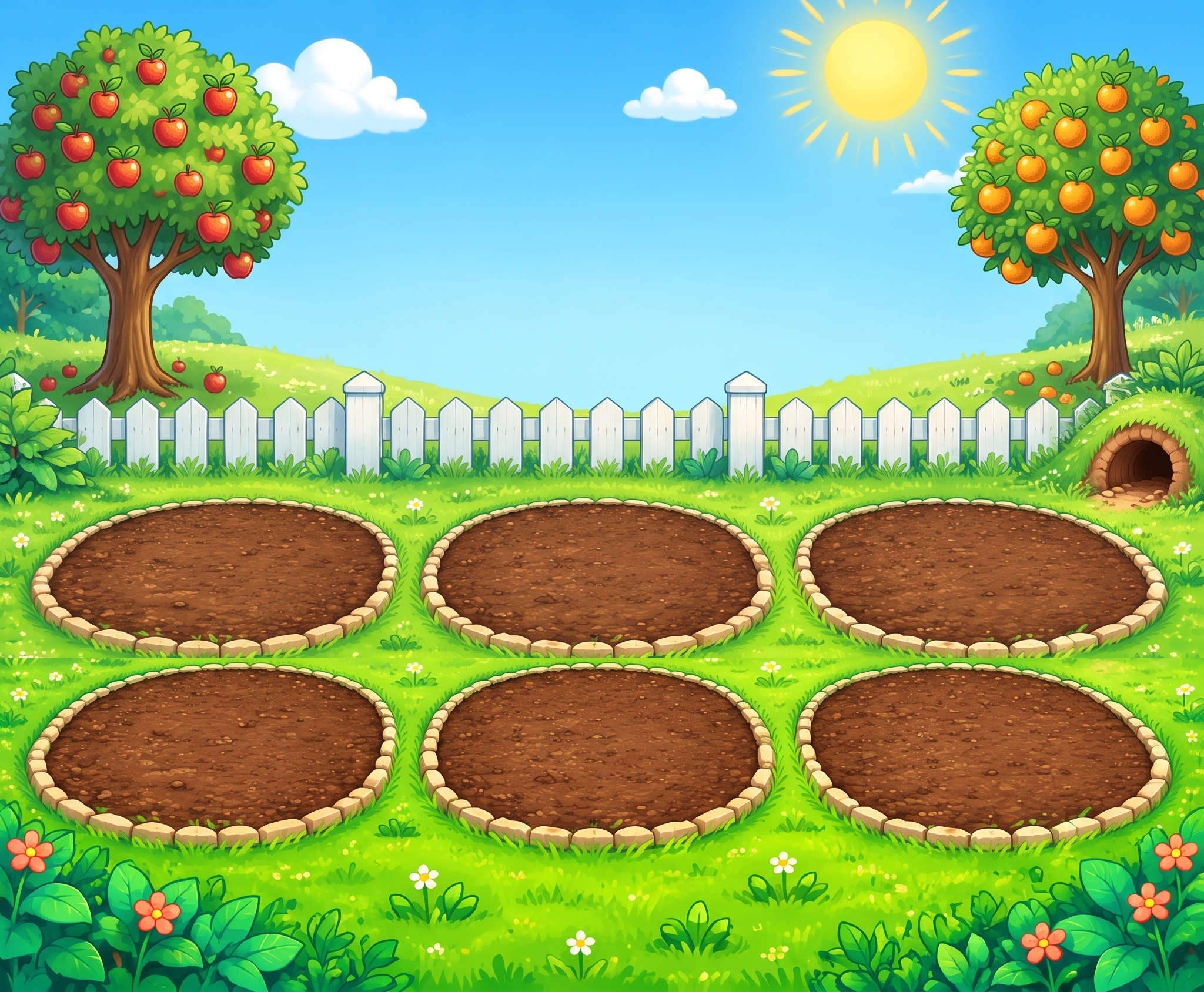
Each finished practice session earns a drop of water for your child's private garden. They choose which flower or vegetable to water, and a bunny shares the scene.
Questions parents ask
- Which sight words should a kindergartener practice?
- Begin with the words their teacher assigns. If you need a starting point, the Dolch pre-primer and primer lists below are available in Sightseed. Grade labels are guides, not a test your child must pass.
- What is the difference between pre-primer and primer?
- These are two Dolch list groups: pre-primer has 40 words and primer has 52. Sightseed places pre-primer under Pre-K and primer under K; parents can select either list to suit their child.
- Does letter-direction practice count toward word mastery?
- No. Recognizing the direction of a letter or number is a separate skill. Sightseed keeps its practice and progress separate from sight-word learning.
- Does this replace phonics or reading together?
- No. Use word practice alongside the instruction your child's teacher provides and shared reading. A correct answer in an app does not prove your child can read the word independently in a book.
Start with this week's words
Create a parent account, add your child's first name and grade, then choose a small first list.
Get started14-day free trial, then $4.99/month or $39.99/year. Cancel anytime.
No ads inside Sightseed. Your family's information is never used for advertising. App progress does not establish independent reading in a book.